wearables & anthropometrics | Dyson
Development of wearable audio and air purification products.
00
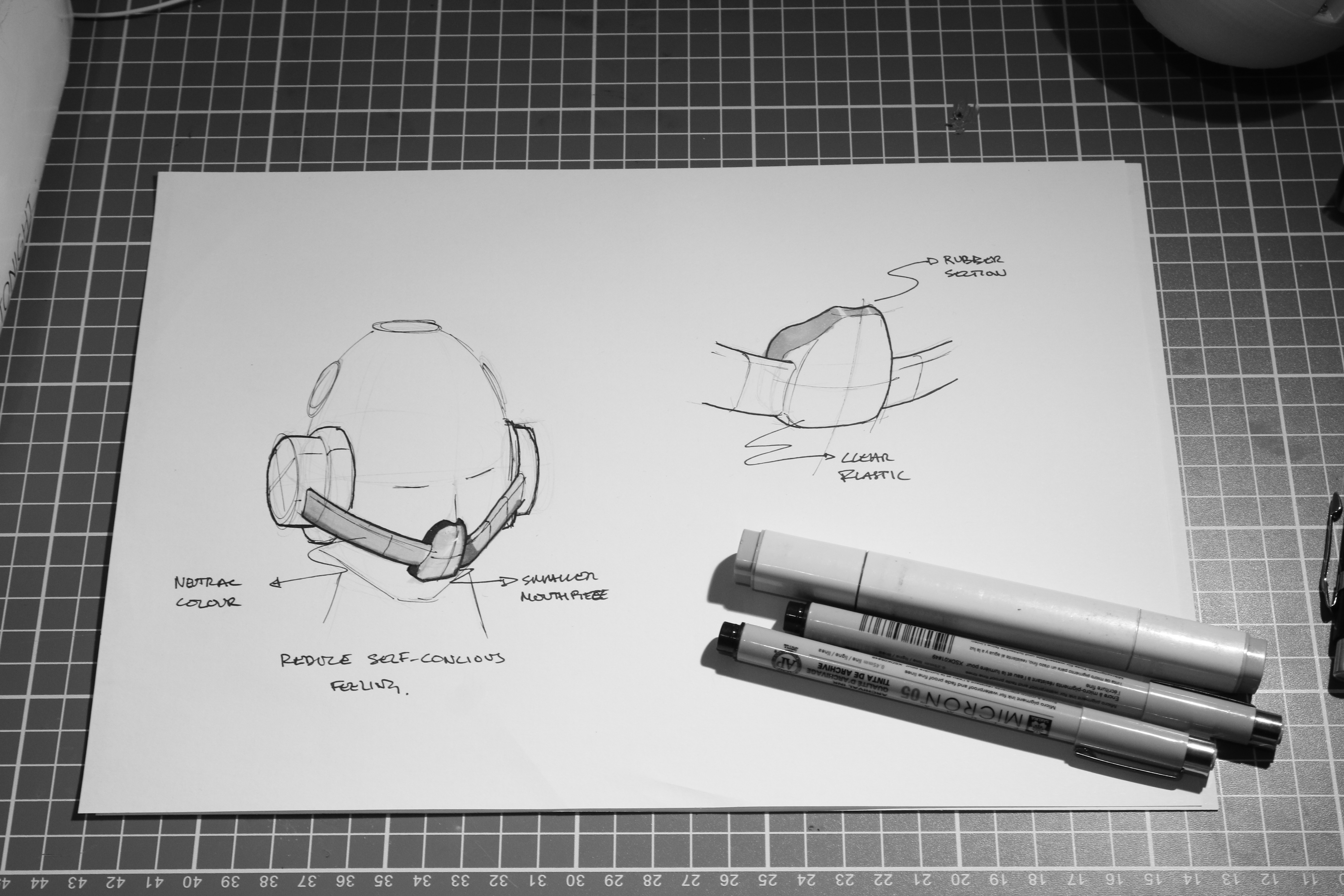
problem
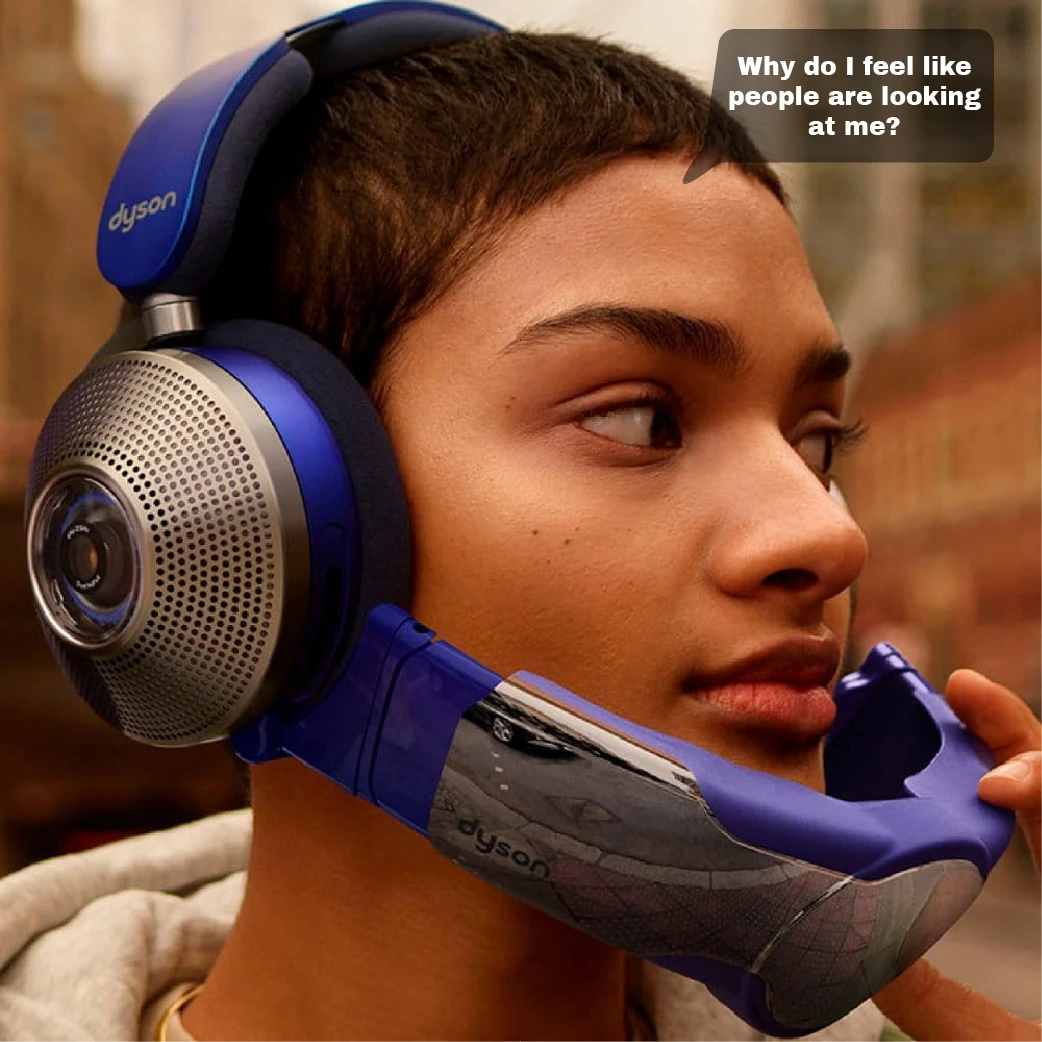
The effectiveness of a wearable air purifier depends on minimising how much unfiltered air mixes with the clean air. A sealed mask would achieve this but is uncomfortable for long-term wear. The Dyson Zone took a different approach, using a non-contact visor that hovers above the face. This introduced a new challenge — with every face shaped differently, how can you maintain effective air isolation and prevent unfiltered air from being drawn into the breathing zone?
solution
By modelling facial anthropometrics across Asian, American, and European populations, the visor geometry was optimised to control the airflow gap for each market. This approach improved purification efficacy by 15% while preserving the comfort and wearability of a non-contact design.
Data collection for efficacy of different gaps and gap location matched with particulate efficacy data fed into a mathematical model to optimise the geometry across populations.
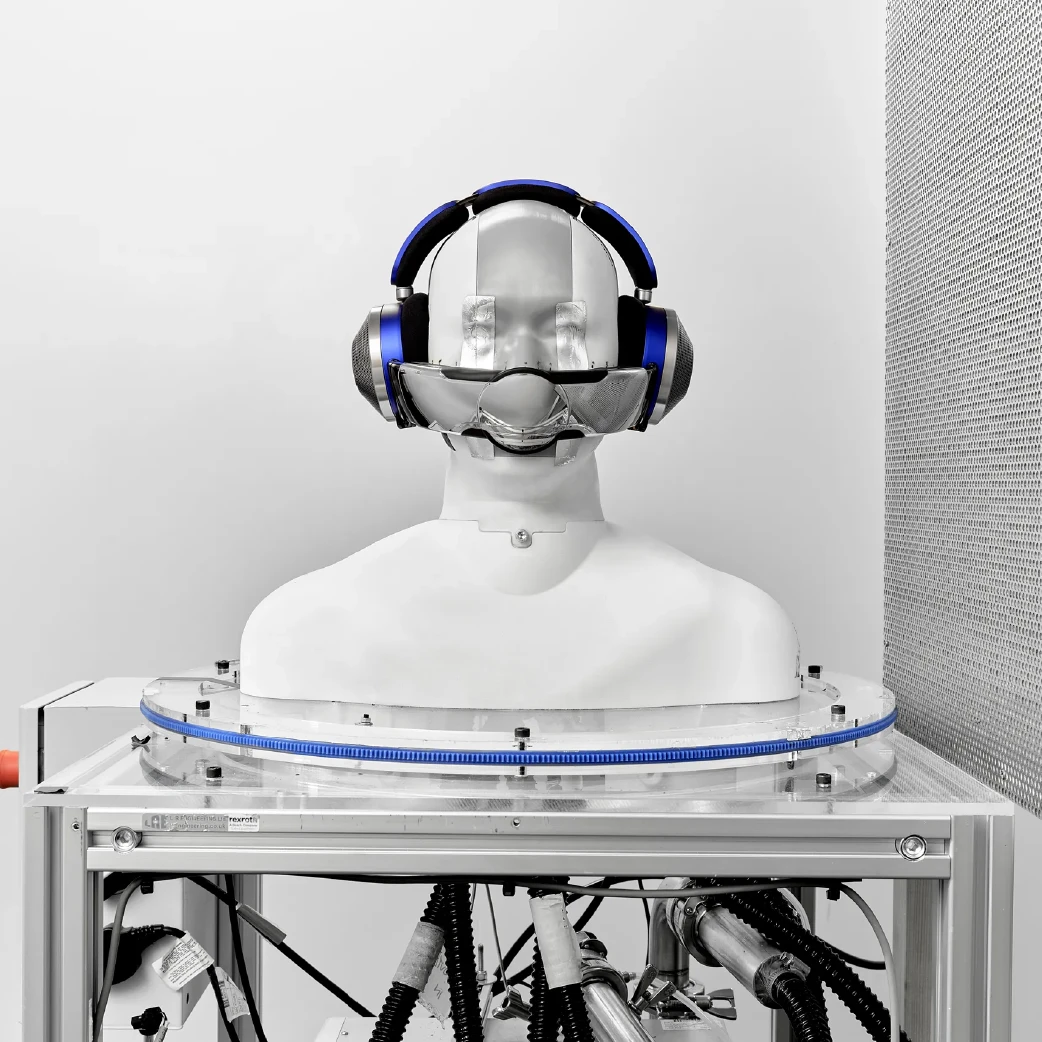
I led the development of the visor system, creating airflow and optimisation models to maximise clean-air delivery around the face. These models were validated in a specialised purification efficacy test lab and required expertise in fluid dynamics, MATLAB, and anthropometrics.
Designing a component that interfaces directly with the human face introduced significant complexity due to population-level variation in facial features and the organic form of the visor. I managed the development of this assembly, producing functional prototypes and overseeing user trials in China to refine fit, performance, and comfort.
see also